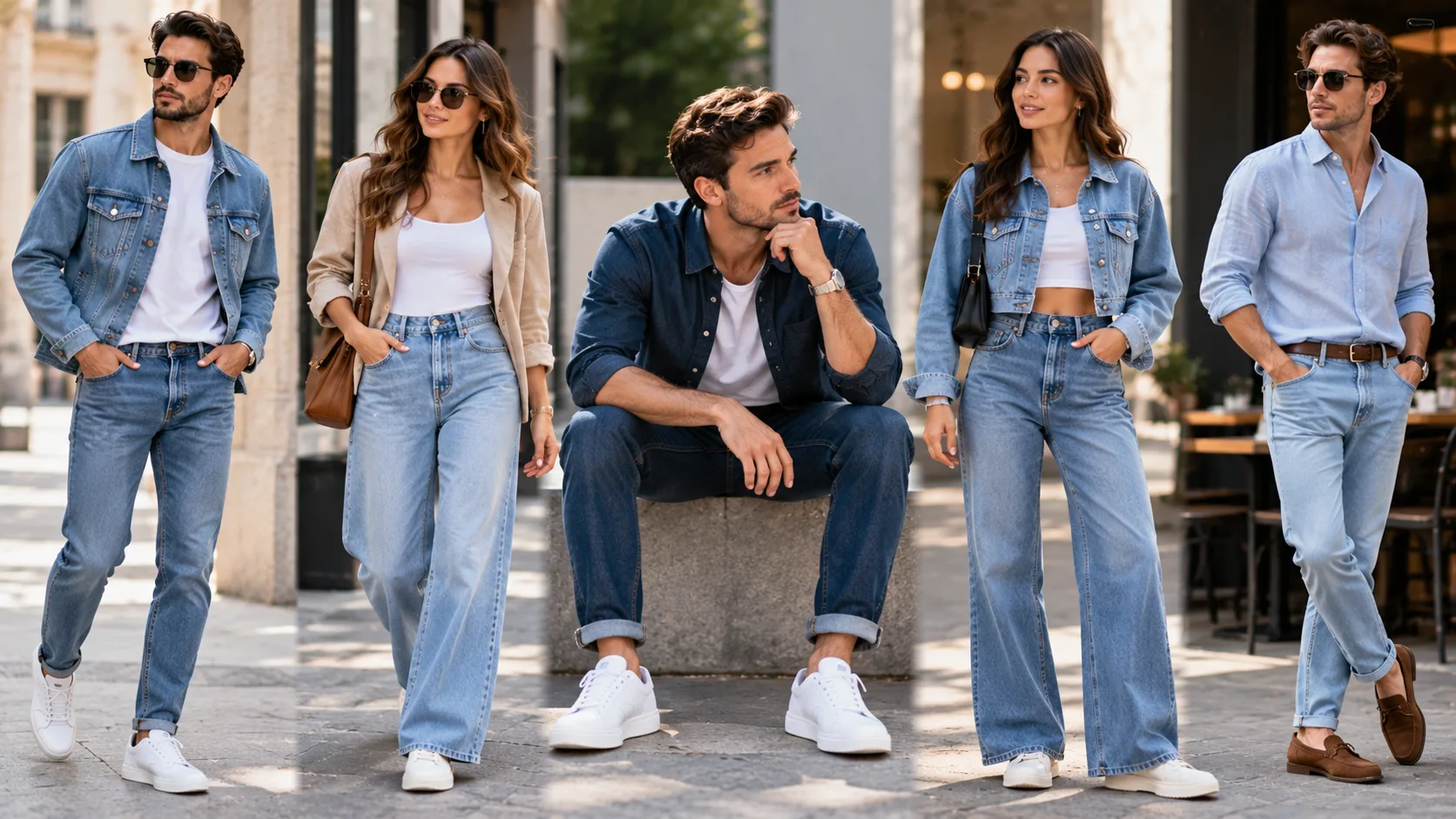
Finding the right pair of jeans can make everyday dressing easier, more comfortable, and more enjoyable. However, with so many denim styles available, understanding the differences between straight-leg, slim-fit, relaxed, skinny, and wide-leg jeans can feel confusing. A practical denim fit guide helps you explore these options and discover which designs work best with your wardrobe, lifestyle, and personal preferences.
The perfect denim fit is not about following strict fashion rules or choosing a particular body shape. Instead, it involves finding jeans that provide comfortable movement, suit your daily activities, and complement the clothing you already own. This guide explains popular denim fits, important measurements, styling combinations, and practical shopping tips to help you choose jeans confidently.
What Is a Denim Fit and Why Does It Matter?
Denim fit refers to how a pair of jeans is designed to sit and move around the waist, hips, legs, and ankles. Different fits create distinctive silhouettes, from close-fitting skinny jeans to loose wide-leg designs. Understanding these differences helps shoppers compare styles more effectively. It also makes choosing suitable jeans easier, particularly when shopping online or exploring unfamiliar brands.
The fit of your jeans can influence comfort, movement, and overall outfit coordination. Some designs offer additional room through the legs, while others follow a more structured silhouette. Neither approach is automatically better because everyone has different clothing preferences and daily routines. The goal is to select denim that feels comfortable and works naturally with your personal style.
Denim fit also affects how jeans coordinate with footwear, shirts, jackets, and accessories. Straight-leg jeans provide a classic foundation, while relaxed styles create a casual appearance. Wide-leg denim works beautifully with both fitted and oversized tops, depending on your preferences. Learning these basic styling relationships helps you create versatile outfits without relying on complicated fashion rules.
Understanding the Different Types of Denim Fits
Denim comes in several common fits, including skinny, slim, straight, regular, relaxed, loose, bootcut, and wide-leg styles. Each design differs in how much room it provides and how the leg opening is shaped. Some jeans taper toward the ankle, while others maintain a consistent width. Understanding these basic differences makes comparing denim styles much easier.
Skinny and slim-fit jeans generally follow a closer silhouette, while straight-leg jeans maintain a relatively consistent shape from the knee downward. Relaxed and loose designs provide additional space through selected areas of the garment. Bootcut jeans widen slightly toward the hem, while wide-leg styles offer a more spacious appearance. These distinctions influence styling possibilities and everyday comfort.
Fashion brands sometimes use different names for similar denim designs, which can make shopping confusing. One company’s relaxed fit may resemble another brand’s regular or loose fit. Reviewing product measurements and trying jeans on can provide more reliable information than relying entirely on labels. This approach helps you choose clothing based on actual comfort rather than marketing terminology.
Straight-Leg Jeans: A Timeless Denim Fit
Straight-leg jeans are among the most versatile denim styles because they create a classic silhouette without following extreme fashion trends. The leg generally maintains a relatively consistent width from the knee to the hem. This design works well with numerous tops and footwear choices. Straight-leg denim is particularly useful for building a practical everyday wardrobe.
For a casual outfit, combine medium-wash straight-leg jeans with a plain cotton T-shirt and white sneakers. A denim jacket or lightweight cardigan can provide an additional layer when needed. This simple combination feels relaxed and easy to recreate. It works well for weekend activities, shopping, casual lunches, and other everyday occasions.
Straight-leg jeans can also create polished smart-casual outfits. Pair dark indigo denim with a button-down shirt, tailored blazer, and leather loafers. A structured handbag or simple belt adds a finishing touch without making the outfit overly formal. The versatility of straight-leg denim makes it a reliable choice for people who enjoy both casual and coordinated clothing.
Slim-Fit Jeans: A Clean and Modern Style
Slim-fit jeans offer a relatively close silhouette while generally providing more room than traditional skinny jeans. They are designed to follow the legs without necessarily fitting tightly throughout. This makes them appealing to people who prefer a streamlined denim appearance. The exact fit varies between brands, so checking comfort and movement remains important.
A simple slim-fit jeans outfit can include a cotton polo shirt, casual sneakers, and a lightweight jacket. Neutral colors such as navy, gray, black, and white create easy combinations. For a more polished appearance, replace the polo with a button-down shirt and add loafers. These changes allow one pair of jeans to support different everyday styles.
Slim-fit jeans also work well with sweaters and structured outerwear during cooler months. A crew-neck knit sweater paired with dark slim denim creates a coordinated casual outfit. Add ankle boots or clean leather sneakers depending on the occasion. Choose a fit that allows comfortable sitting and walking rather than selecting unnecessarily restrictive clothing.
Skinny Jeans: How to Wear Them Comfortably
Skinny jeans are designed to fit closely through the hips, thighs, knees, and lower legs. They often contain stretch fibers that provide flexibility during movement. Although fashion trends frequently shift between close-fitting and relaxed denim, skinny jeans remain a personal styling option. Comfort and fabric quality should guide your decision rather than changing seasonal expectations.
For a relaxed everyday outfit, pair skinny jeans with an oversized cotton shirt or lightweight sweater. The combination introduces different garment shapes while maintaining a comfortable appearance. White sneakers or flat ankle boots create practical footwear options. A simple crossbody bag can complete the outfit without requiring elaborate accessories.
Skinny jeans also work with long coats, cardigans, and casual jackets. Dark denim paired with a neutral turtleneck and wool coat creates a classic cold-weather combination. Comfortable boots provide a practical finishing touch. When shopping, check that the waistband and leg fabric allow natural movement so the jeans remain suitable for extended wear.
Relaxed-Fit Jeans: Comfort Meets Everyday Style
Relaxed-fit jeans provide additional room compared with more fitted denim designs. Depending on the brand, this extra space may appear around the hips, thighs, or legs. The result is a casual silhouette that allows comfortable movement. Relaxed denim is particularly useful for people who prefer clothing that does not feel restrictive during everyday activities.
A classic relaxed-fit outfit combines blue jeans with a simple white T-shirt and comfortable sneakers. Add an open flannel shirt or lightweight denim jacket for extra texture. This combination works well for weekend activities and informal gatherings. A canvas tote or practical backpack can provide additional functionality without changing the relaxed appearance.
For a slightly more polished approach, pair dark relaxed jeans with a tucked-in shirt and structured jacket. Loafers or leather sneakers can create a coordinated finish. The contrast between relaxed denim and tailored clothing introduces visual interest. This styling technique demonstrates how comfortable jeans can work with both casual and smart-casual wardrobe pieces.
Loose-Fit and Baggy Jeans: Modern Styling Ideas
Loose-fit and baggy jeans provide a spacious silhouette that is commonly associated with relaxed streetwear. These designs offer room through the legs and may feature longer hems or wider openings. They can be styled with simple basics or statement outerwear. Selecting a comfortable length helps prevent fabric from dragging and makes everyday movement easier.
For a streetwear-inspired outfit, combine baggy jeans with a graphic T-shirt and oversized jacket. Sneakers and a crossbody bag complete the casual appearance. You can choose matching neutral colors or introduce contrasting shades for additional personality. The goal is to create a comfortable combination that reflects your preferences rather than following one fixed outfit formula.
Loose denim can also work with more structured clothing. A crisp cotton shirt paired with baggy jeans creates an interesting contrast between casual and polished pieces. Add loafers or simple sneakers for a balanced finish. Experimenting with different shirt lengths and jacket styles helps you discover combinations that work naturally with the denim.
Wide-Leg Jeans: Easy Ways to Style Them
Wide-leg jeans feature a spacious leg shape that provides movement and creates a distinctive silhouette. Some designs widen gradually from the hips, while others maintain a broad width throughout the leg. This variation allows for many styling possibilities. Wide-leg denim can work well in casual, minimalist, and smart-casual wardrobes.
A simple outfit involves pairing blue wide-leg jeans with a cotton T-shirt and classic sneakers. A lightweight cardigan can add another layer during cooler weather. Neutral accessories keep the combination understated and practical. This look works particularly well for relaxed daytime activities when comfortable clothing is a priority.
For a polished outfit, combine dark wide-leg jeans with a fitted knit top or tailored shirt. A structured blazer and loafers can create a coordinated smart-casual appearance. You can also experiment with oversized tops if you prefer a more relaxed silhouette. Comfortable proportions depend on personal preferences rather than strict fashion rules.
Bootcut and Flared Jeans: Classic Denim Options
Bootcut jeans are designed with a leg opening that widens slightly below the knee. This shape was traditionally associated with wearing jeans over boots, but it also works with other footwear. Flared jeans have a more noticeable widening toward the hem. Both styles provide alternatives to straight and tapered denim designs.
For a casual bootcut outfit, combine medium-wash jeans with a simple shirt and ankle boots. A leather belt and lightweight jacket provide practical finishing details. This combination creates a classic appearance without requiring complicated accessories. Bootcut denim can also work with loafers and comfortable shoes depending on the hem length.
Flared jeans can create interesting outfits when paired with knitwear, blouses, or structured jackets. A fitted cotton top and dark flared denim offer a straightforward starting point. Add platform-style shoes or comfortable boots if they suit your preferences. The most important consideration is choosing a hem length that allows safe walking and prevents unnecessary dragging.
High-Rise, Mid-Rise, and Low-Rise Denim Explained
Jean rise refers to the distance between the crotch seam and the top of the waistband. High-rise jeans sit higher on the torso, while mid-rise designs generally sit around the natural waist area or slightly below. Low-rise jeans sit lower on the hips. The exact placement varies by brand, design, and individual fit.
High-rise jeans work with tucked-in shirts, sweaters, and casual blouses. Mid-rise denim provides another versatile option for everyday outfits and can be styled with numerous tops. Low-rise designs create a different appearance when paired with relaxed shirts or longer layers. None of these rises is universally better, so personal comfort should guide your selection.
When trying jeans, pay attention to how the waistband feels while standing, sitting, and moving. A comfortable rise should not require constant adjustment throughout the day. Consider whether the jeans work with your usual shirt lengths and layering preferences. These practical factors matter more than choosing a rise simply because it is currently fashionable.
How to Find the Right Jeans Size and Measurements
Understanding denim measurements can make shopping easier, especially when purchasing jeans online. Important measurements include waist, hips, inseam, rise, thigh width, and leg opening. Many brands provide size charts showing how these dimensions correspond to their products. Comparing measurements can help you identify options worth trying before making a purchase.
The inseam measures the length from the crotch seam to the bottom of the pant leg. This measurement influences where the jeans fall in relation to your footwear. Cropped designs typically finish higher on the leg, while full-length jeans extend farther downward. Choosing the appropriate length helps prevent dragging and unnecessary fabric buildup.
It is also useful to remember that denim sizing is not completely standardized. A particular size may fit differently across brands or even between styles from the same manufacturer. Reading product descriptions and reviewing fabric composition can provide additional guidance. When possible, trying jeans on is the most reliable way to evaluate fit and comfort.
How Denim Fabric Affects Fit and Comfort
Denim fabric composition influences how jeans feel, move, and maintain their shape. Traditional rigid denim is usually made primarily or entirely from cotton, creating a structured appearance. Stretch denim includes elastic fibers that allow additional flexibility. Neither material is automatically superior because different activities and clothing preferences require different levels of movement.
Rigid denim may feel firmer when first worn and can gradually soften through regular use. Stretch denim often provides flexibility immediately, although its shape retention depends on fabric quality and construction. Some jeans combine cotton with other fibers for a softer texture. Understanding these differences can help you select fabric suited to your routine.
Fabric weight is another important consideration. Heavier denim can provide structure and durability, while lighter denim may feel more comfortable during warmer weather. Seasonal preferences and personal comfort should influence your choice. Checking care instructions can also help preserve the fabric and prevent avoidable changes in fit after washing.
Choosing the Best Denim Wash and Color
Denim washes influence the overall appearance of jeans and the outfits you can create. Light-wash denim produces a relaxed look that works particularly well with casual tops and sneakers. Medium-wash jeans provide a classic appearance suitable for everyday clothing. Dark indigo denim can create a more polished finish when combined with structured shirts or jackets.
Black and gray denim offer additional versatility for minimalist wardrobes. Black jeans pair naturally with white shirts, neutral sweaters, and leather footwear. Gray denim works beautifully with navy, cream, and muted colors. These alternatives allow you to create different outfit combinations without relying exclusively on traditional blue jeans.
White and off-white denim can also be useful wardrobe options. They pair well with pastel shirts, neutral knitwear, and contrasting jackets. Choosing denim colors that complement your existing clothing makes outfit planning easier. A smaller collection of versatile washes can often provide more practical styling opportunities than numerous pairs that rarely get worn.
How to Style Denim for Different Occasions
Casual everyday outfits are often the easiest place to begin experimenting with denim fits. Straight-leg, relaxed, and loose jeans can be paired with T-shirts, sweatshirts, and comfortable sneakers. A simple jacket provides an extra layer when needed. These combinations work well for shopping, weekend activities, informal gatherings, and other relaxed situations.
For smart-casual occasions, dark jeans can be combined with tailored shirts, knitwear, and structured blazers. Slim, straight, and wide-leg styles may all work depending on the outfit and dress code. Loafers or polished flats provide a coordinated finish. Choosing clean, comfortable denim helps maintain a refined appearance without relying on traditional formal trousers.
Travel outfits benefit from jeans that allow comfortable movement during extended periods of sitting and walking. Relaxed denim, flexible fabrics, and practical footwear can make long days easier. Lightweight layers provide versatility when temperatures change. Consider your activities rather than selecting a particular denim fit solely for its appearance in photographs.
Common Denim Fit Mistakes to Avoid
One common mistake is choosing jeans based only on the size label. Denim measurements vary between brands, making the same numerical size fit differently across products. Trying jeans on and checking actual measurements provides more useful information. Comfortable clothing should allow natural movement without requiring frequent adjustments throughout the day.
Another mistake is overlooking fabric composition when comparing similar denim styles. Two pairs of straight-leg jeans may feel completely different if one uses rigid cotton and the other contains stretch fibers. Understanding these differences helps prevent uncomfortable purchases. Fabric quality, construction, and personal preferences should all influence your final choice.
Finally, avoid believing that particular denim fits are appropriate only for certain body types. Fashion rules based on rigid appearance standards can unnecessarily limit personal expression. Straight, slim, wide-leg, relaxed, and flared jeans can all be styled in numerous ways. Choose designs that support comfort, confidence, and your preferred clothing combinations.
How to Build a Versatile Denim Wardrobe
Building a practical denim wardrobe starts with identifying which styles you wear most frequently. A comfortable pair of straight-leg jeans can provide a classic everyday foundation. Relaxed or wide-leg denim may offer additional variety for casual outfits. Choosing versatile pieces reduces the need to purchase numerous similar styles.
Color selection also helps create a coordinated wardrobe. Medium blue, dark indigo, and black denim can support many outfit combinations. These shades work naturally with common wardrobe essentials such as white shirts, neutral sweaters, and simple jackets. Purchasing jeans that complement your existing clothing makes outfit planning easier.
Quality and maintenance are equally important when building a long-lasting denim collection. Look for durable stitching, comfortable fabric, and practical construction. Follow the manufacturer’s washing instructions and avoid unnecessary laundering when the jeans are still clean. Taking care of denim helps preserve its appearance and keeps familiar wardrobe pieces useful for longer.
Conclusion
Understanding denim fits makes choosing comfortable and versatile jeans much easier. From classic straight-leg styles to relaxed, slim, wide-leg, and flared designs, each option offers distinctive styling possibilities. The right choice depends on your personal preferences, daily activities, fabric comfort, and the clothing already in your wardrobe.
Learning about rise, inseam, fabric composition, and denim washes can improve shopping decisions and reduce unnecessary purchases. These details help explain why jeans with similar labels sometimes fit differently. Experimenting with tops, footwear, and accessories also allows you to create multiple outfits from a small collection of denim essentials.
Ultimately, the best denim fit is one that supports comfort, movement, and personal expression. Fashion trends can provide inspiration, but they should never replace practical considerations. Choose jeans that suit your lifestyle, explore different outfit combinations, and build a wardrobe that makes everyday dressing simple and enjoyable.
Frequently Asked Questions
What are the main types of denim fits?
Common denim fits include skinny, slim, straight, regular, relaxed, loose, bootcut, and wide-leg jeans. Each style differs in leg shape, roominess, and overall silhouette, offering different comfort and styling options.
What is the difference between slim-fit and straight-fit jeans?
Slim-fit jeans generally follow a closer leg silhouette, while straight-fit jeans maintain a relatively consistent width from the knee to the hem. Both can work for casual and smart-casual outfits.
How do I know if my jeans fit correctly?
Comfortable jeans should allow natural sitting, walking, and movement without constant adjustment. Check the waistband, rise, inseam, and fabric flexibility to determine whether the fit suits your preferences.
Are relaxed-fit jeans better than skinny jeans?
Neither style is universally better. Relaxed-fit jeans provide a roomier silhouette, while skinny jeans fit more closely. The best choice depends on comfort, personal preference, and your usual clothing combinations.
Which denim fit is best for everyday wear?
Straight-leg, regular, and relaxed-fit jeans are popular everyday options because they coordinate easily with common wardrobe staples. However, any denim fit can work when it feels comfortable and suits your activities.