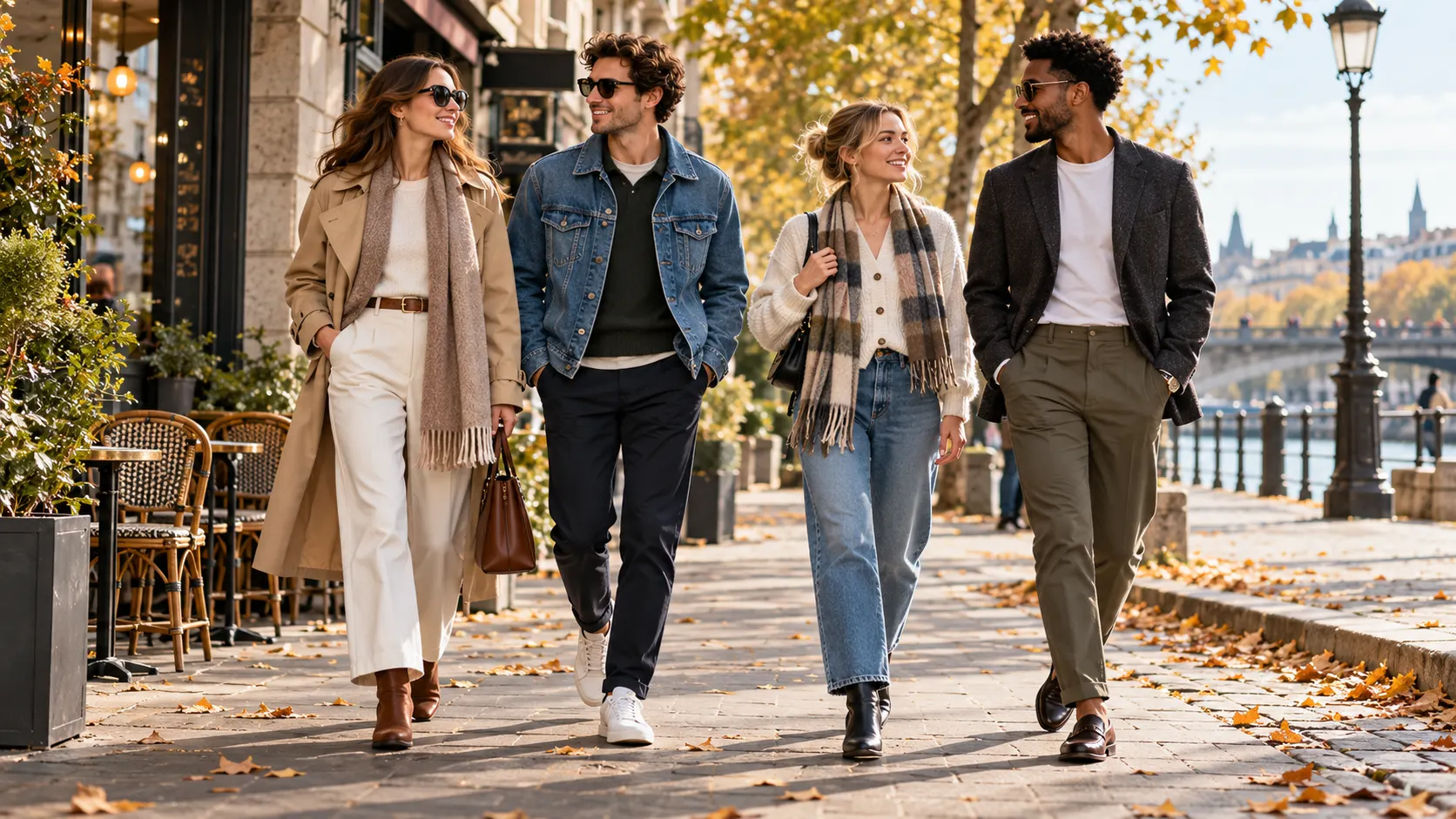
Transitional Weather Outfits: A Simple Style Guide
Dressing for unpredictable weather can be challenging, especially when mornings feel chilly and afternoons become surprisingly warm. Seasonal temperature changes often make it difficult to decide which clothes provide the right balance of comfort and style. Transitional weather outfits offer a practical solution by combining lightweight layers, breathable fabrics, and versatile wardrobe essentials. These combinations help you adapt comfortably as temperatures change throughout the day.
Transitional dressing is particularly useful during the shift from winter to spring or summer to fall. Instead of relying entirely on heavy coats or lightweight summer clothing, you can combine pieces suitable for different temperatures. Cardigans, denim jackets, breathable shirts, and relaxed trousers create flexible outfit combinations. Choosing adaptable clothing helps you stay prepared without carrying unnecessary garments.
Creating stylish outfits for changing seasons does not require purchasing an entirely new wardrobe. Many everyday pieces can work throughout the year when layered and styled thoughtfully. Understanding fabric choices, color combinations, and practical accessories makes seasonal dressing much easier. This guide explores transitional weather outfit ideas and simple styling techniques for various occasions.
What Are Transitional Weather Outfits?
Transitional weather outfits are clothing combinations designed for periods when seasonal temperatures fluctuate. These outfits typically feature removable layers that can be adjusted according to changing conditions. Instead of dressing exclusively for summer or winter, transitional fashion combines elements from different seasonal wardrobes. The result is comfortable clothing that remains practical throughout unpredictable days.
For example, a lightweight sweater paired with jeans and a denim jacket can work during cool mornings. When temperatures rise, removing the jacket creates a more comfortable afternoon outfit. Similarly, a summer dress can be styled with a cardigan and closed-toe shoes during early autumn. These combinations allow familiar clothing pieces to remain useful across seasons.
The main purpose of transitional dressing is flexibility rather than following specific fashion trends. Breathable fabrics, comfortable footwear, and versatile outerwear are important components of successful outfits. Choosing pieces that work together simplifies daily outfit planning. This approach is especially useful for commuters, students, travelers, and people who spend time moving between indoor and outdoor environments.
Why Transitional Dressing Matters During Seasonal Changes
Seasonal transitions often bring noticeable temperature differences between mornings, afternoons, and evenings. A heavy winter outfit may feel uncomfortable once the sun appears, while lightweight summer clothing may provide insufficient warmth early in the day. Transitional dressing addresses these challenges through adjustable clothing combinations. Wearing suitable layers helps maintain comfort without requiring several outfit changes.
Weather conditions can also become unpredictable during spring and fall. A sunny morning may be followed by cool winds, light rain, or cloudy skies. Having a lightweight jacket or cardigan available provides useful flexibility. Choosing practical garments helps you prepare for changing conditions while maintaining a comfortable everyday routine.
Another benefit of transitional outfits is their versatility across different occasions. A simple shirt, tailored trousers, and lightweight blazer can work for office settings or casual gatherings. Changing footwear and accessories can create a different appearance without replacing the entire outfit. This flexibility makes seasonal wardrobe planning more convenient and economical.
Essential Clothing Pieces for Transitional Weather
A well-planned transitional wardrobe includes clothing that can be layered without unnecessary bulk. Lightweight sweaters, button-down shirts, cardigans, and breathable tops provide useful starting points. These pieces can be combined depending on the temperature and occasion. Selecting versatile colors also makes it easier to create multiple outfits using fewer garments.
Outerwear is another important part of dressing for changing seasons. Denim jackets, trench coats, lightweight bombers, and utility jackets provide different levels of coverage. A suitable outer layer should fit comfortably over a shirt or sweater. Choosing a removable jacket allows you to adjust your clothing throughout the day.
Comfortable trousers, jeans, and versatile footwear complete the foundation of transitional outfits. Straight-leg jeans work with sneakers, ankle boots, and loafers, while tailored trousers offer a more polished appearance. Midi skirts and lightweight dresses can also become useful wardrobe pieces when layered appropriately. Combining these essentials creates practical outfits suitable for different weather conditions.
How to Layer Clothes for Transitional Weather
Layering is one of the easiest ways to manage changing temperatures without sacrificing style. Start with a comfortable base such as a breathable T-shirt, blouse, or lightweight long-sleeved top. Add a removable middle layer when extra warmth is needed. Finish with a jacket that suits the expected weather conditions.
The thickness of each layer should match the surrounding temperature. During mild spring weather, a cotton shirt and lightweight cardigan may provide enough warmth. Cooler autumn mornings may require a fine-knit sweater beneath a structured jacket. Choosing thinner layers generally makes it easier to adjust clothing without feeling restricted.
Successful layering also depends on balancing garment proportions and textures. A fitted base layer can work comfortably beneath a relaxed cardigan or jacket. Similarly, a lightweight sweater looks polished under an appropriately sized trench coat. Avoid combining several bulky garments when temperatures are relatively mild, as excessive insulation can become uncomfortable.
Best Fabrics for Comfortable Transitional Outfits
Fabric selection influences how comfortable clothing feels during fluctuating temperatures. Cotton is a common option because it provides softness and breathability for everyday activities. Lightweight cotton shirts, trousers, and dresses can work during mild seasonal conditions. However, heavier cotton garments may retain moisture when exposed to prolonged rain.
Linen blends are useful during warmer transitional periods because they offer a relaxed appearance and relatively lightweight construction. These materials can be styled with cardigans or jackets when temperatures decrease. Lightweight wool and fine-knit fabrics provide additional warmth during cooler seasons. Choosing appropriate fabric weights helps maintain comfort without excessive layering.
Synthetic performance blends may also be useful when weather conditions include humidity or frequent temperature changes. Certain fabrics are designed to manage moisture and dry relatively quickly. However, fabric construction and garment fit are just as important as material composition. Selecting breathable, adaptable textiles supports comfortable dressing throughout spring and fall.
Casual Transitional Weather Outfits for Everyday Wear
Casual transitional outfits should feel comfortable while remaining easy to coordinate. A basic T-shirt paired with straight-leg jeans and a denim jacket creates a simple everyday combination. Comfortable sneakers complete the look and support regular movement. This outfit works particularly well for shopping, informal gatherings, and relaxed weekend activities.
For a slightly more polished casual appearance, try combining a lightweight sweater with relaxed trousers. A neutral trench coat can provide additional coverage during cooler mornings. Loafers or simple ankle boots create a balanced finish. Choosing complementary colors helps the outfit look intentional without requiring complicated styling techniques.
Another practical option involves layering an open button-down shirt over a breathable top. Pair these pieces with comfortable jeans or lightweight chinos for an adaptable everyday outfit. The outer shirt can be removed when temperatures rise. This combination is especially convenient during periods when the weather changes several times throughout the day.
Transitional Weather Outfits With Denim Jackets
Denim jackets are popular transitional wardrobe essentials because they provide moderate coverage without the bulk of heavy winter coats. A classic denim jacket can be styled over a T-shirt, lightweight sweater, or casual dress. Its structured appearance complements relaxed clothing combinations. Choosing a comfortable fit allows enough room for additional layers when necessary.
For spring styling, combine a denim jacket with a cotton dress and comfortable sneakers. This outfit balances lightweight clothing with practical coverage during cooler mornings. A crossbody bag and minimal accessories can complete the appearance. The combination works well for casual outings, daytime gatherings, and everyday activities.
During early fall, a denim jacket can be paired with a fine-knit sweater and dark trousers. Ankle boots provide a slightly more seasonal finish while remaining practical for changing temperatures. Neutral accessories keep the outfit balanced and easy to coordinate. This combination demonstrates how denim outerwear can remain useful across multiple seasons.
How to Style Trench Coats During Changing Seasons
Trench coats are versatile outerwear pieces that work particularly well during spring and autumn. Their structured design creates a polished appearance while providing coverage against mild wind and light weather changes. A classic beige trench coat pairs easily with many wardrobe colors. However, not every trench coat is fully waterproof.
For a smart-casual outfit, layer a trench coat over a striped shirt and straight-leg trousers. White sneakers or comfortable loafers can complete the combination. This approach creates a balanced appearance suitable for commuting and casual meetings. A lightweight scarf may provide extra comfort when mornings feel cooler.
Trench coats can also complement dresses, skirts, and business clothing. A midi dress paired with a trench coat creates a polished combination for different occasions. Choose footwear according to the weather and expected walking distance. The coat can be worn open during mild temperatures or closed when additional coverage is needed.
Spring Transitional Outfit Ideas for Mild Weather
Spring weather often includes cool mornings, occasional rain, and warmer afternoons. Lightweight clothing layers help accommodate these changing conditions without excessive insulation. A breathable blouse, cropped trousers, and cardigan create a comfortable everyday combination. Comfortable flats or sneakers complete the outfit while maintaining practical movement.
Pastel colors and light neutrals are popular during spring because they create a fresh seasonal appearance. Soft blue, cream, lavender, and pale green work well with denim and neutral outerwear. A lightweight jacket can provide protection during unexpected cool periods. Choosing coordinated shades helps create versatile combinations from familiar wardrobe pieces.
Spring dresses can also be styled with additional layers when temperatures remain unpredictable. Pair a cotton midi dress with a denim jacket or lightweight cardigan. Closed-toe shoes provide practical comfort during cooler mornings. When temperatures rise, removing the outer layer creates a more relaxed outfit suitable for warmer afternoon conditions.
Fall Transitional Outfit Ideas for Cooler Days
Fall fashion often involves combining lightweight summer clothing with warmer wardrobe essentials. A long-sleeved shirt, relaxed jeans, and lightweight sweater create a comfortable starting point. Adding a structured jacket provides extra warmth during cooler mornings. This combination works well for everyday errands, commuting, and casual activities.
Earthy colors can bring a seasonal feel to autumn outfits. Olive green, rust, camel, chocolate brown, and cream create coordinated combinations. A neutral sweater paired with dark trousers and ankle boots provides a polished appearance. Choosing colors that work together allows you to create several outfits without purchasing additional clothing.
Dresses and skirts can remain useful during autumn when paired with suitable layers. A midi skirt, fine-knit sweater, and lightweight coat create a balanced outfit. Tights may provide extra comfort as temperatures decrease. Comfortable ankle boots can complete the combination while helping you transition familiar summer pieces into cooler weather.
Transitional Weather Outfits for Men
Men’s transitional outfits can combine casual essentials with practical layering pieces. A lightweight crewneck sweater paired with chinos and white sneakers creates a versatile everyday look. Adding a denim jacket or lightweight bomber provides coverage during cooler weather. This combination is suitable for informal gatherings, commuting, and weekend activities.
For a smart-casual appearance, try layering a button-down shirt beneath a fine-knit sweater. Tailored trousers and comfortable loafers create a polished finish. A lightweight trench coat or structured jacket can provide additional warmth outdoors. Neutral colors such as navy, charcoal, beige, and olive make these garments easier to coordinate.
During warmer transitional days, a breathable polo shirt paired with relaxed trousers can offer comfortable simplicity. Keep a lightweight overshirt available for changing temperatures. Casual sneakers or loafers work depending on the occasion. Selecting adaptable clothing helps create outfits that transition naturally between different parts of the day.
Transitional Weather Outfits for Women
Women’s transitional fashion offers numerous ways to combine seasonal wardrobe pieces. A lightweight cardigan over a simple dress creates a comfortable outfit for mild weather. Pair the combination with sneakers, flats, or ankle boots depending on the temperature. This approach allows familiar clothing to remain useful beyond a single season.
Another versatile option involves pairing straight-leg jeans with a fitted top and relaxed blazer. The blazer provides a structured appearance without requiring a heavy winter coat. Loafers and a simple shoulder bag complete the look. This combination works well for casual meetings, shopping, and smart-casual occasions.
Midi skirts and lightweight knitwear can also create attractive transitional outfits. A soft sweater tucked loosely into a comfortable skirt provides a balanced silhouette. Add a denim jacket or trench coat when extra warmth is needed. Choosing adaptable fabrics and coordinated accessories makes the outfit suitable for unpredictable spring or fall temperatures.
Office and Workwear Outfits for Transitional Weather
Professional transitional outfits should combine a polished appearance with practical comfort. Tailored trousers, a breathable blouse, and a lightweight blazer provide a useful foundation. When mornings feel cooler, a trench coat can offer additional coverage during commuting. This combination works well for offices with business-casual or professional dress expectations.
Layering is particularly important when indoor temperatures differ from outdoor conditions. A lightweight cardigan can be removed easily in a warm office environment. Fine-knit sweaters also work well beneath structured blazers without creating excessive bulk. Choosing breathable materials helps maintain comfort throughout the working day.
Footwear should be selected according to weather conditions and workplace requirements. Loafers, closed-toe flats, and suitable ankle boots can complement professional outfits. Neutral colors make it easier to coordinate footwear with several clothing combinations. Carrying a compact umbrella may also be useful during unpredictable spring and autumn rainfall.
College and School Outfit Ideas for Changing Weather
Students often need clothing that remains comfortable during long schedules and changing temperatures. A breathable T-shirt, relaxed jeans, and zip-up hoodie create a practical everyday outfit. The hoodie can be removed when classrooms become warm. Comfortable sneakers support walking between buildings and other daily activities.
Another useful campus combination includes a lightweight sweater, straight-leg trousers, and denim jacket. This outfit provides enough flexibility for cool mornings and mild afternoons. A backpack with practical compartments helps keep daily essentials organized. Choosing versatile clothing reduces the effort required to plan outfits before classes.
Simple accessories can also improve comfort during unpredictable weather. A lightweight scarf, compact umbrella, and appropriate footwear provide useful flexibility. Students can choose neutral jackets that coordinate with different tops and trousers throughout the week. A small collection of adaptable garments makes transitional dressing easier during busy schedules.
Best Shoes for Transitional Weather Outfits
Footwear plays an important role in creating comfortable outfits during seasonal changes. Sneakers are versatile because they work with jeans, trousers, dresses, and casual skirts. Breathable designs may feel comfortable during warmer afternoons. However, weather-resistant options can be more suitable when rain is expected.
Loafers offer another practical choice for smart-casual and professional outfits. They pair naturally with tailored trousers, chinos, and lightweight knitwear. Comfortable flats can also work well during mild spring or autumn days. Selecting appropriate materials and secure fits helps maintain comfort during everyday activities.
Ankle boots become especially useful when temperatures decrease or weather turns damp. They complement jeans, dresses, and midi skirts while providing additional coverage. Choose soles with suitable traction when walking on wet surfaces. Having a few versatile footwear options makes it easier to adapt outfits to different seasonal conditions.
Color Combinations That Work for Transitional Seasons
Neutral colors provide a useful foundation for transitional weather outfits. Shades such as beige, gray, black, navy, and cream coordinate easily with different clothing pieces. A neutral jacket can be worn over colorful tops or patterned garments. This flexibility helps create multiple combinations without requiring a large wardrobe.
Spring-inspired colors can introduce freshness into transitional dressing. Pastel blue, pale pink, soft green, and lavender work well with light denim and cream trousers. Pairing one pastel piece with neutral clothing creates an uncomplicated appearance. These combinations are particularly suitable for mild weather and daytime activities.
Autumn colors provide another attractive direction for transitional styling. Rust, burgundy, olive, camel, and chocolate brown create warm seasonal combinations. A camel coat over a burgundy sweater offers a balanced appearance. Mixing these tones with neutral accessories can help create cohesive outfits suitable for different occasions.
Accessories That Complete Transitional Weather Outfits
Accessories can make transitional outfits more practical without adding unnecessary layers. Lightweight scarves are particularly useful because they provide adjustable warmth around the neck. Compact umbrellas offer protection during unexpected rainfall. Choosing accessories that are easy to carry helps maintain comfort during changing weather conditions.
Bags should also support the activities planned for the day. Crossbody bags, structured totes, and lightweight backpacks are convenient options for work, school, or casual outings. Water-resistant materials may provide additional protection during damp weather. Coordinating bag colors with footwear or outerwear creates a balanced overall appearance.
Jewelry and other decorative accessories can remain simple during seasonal transitions. Minimal necklaces, watches, and earrings complement layered clothing without creating visual clutter. A versatile belt can also help coordinate trousers, dresses, or outerwear. Thoughtful accessories allow you to personalize an outfit while keeping the overall combination practical.
Common Transitional Weather Outfit Mistakes to Avoid
One common mistake is dressing entirely for the morning temperature without considering later changes. Heavy sweaters and insulated coats may become uncomfortable when afternoons turn warm. Choosing removable layers provides greater flexibility. Checking the forecast before leaving home can also help determine which clothing combinations are appropriate.
Another mistake involves mixing too many bulky pieces in one outfit. Thick sweaters beneath narrow jackets can restrict movement and create unnecessary discomfort. Instead, combine lighter garments that serve different purposes. A comfortable base layer, suitable middle layer, and practical outer garment usually provide better adaptability.
Ignoring footwear and unexpected rainfall can also make transitional dressing inconvenient. Lightweight shoes may be unsuitable during wet conditions, while heavy winter boots may feel excessive on mild days. Choosing weather-appropriate footwear helps maintain comfort. Small practical details often make a greater difference than following every seasonal fashion trend.
How to Build a Transitional Weather Capsule Wardrobe
A transitional capsule wardrobe consists of versatile pieces that can be combined across different temperatures. Start with breathable tops, lightweight sweaters, comfortable trousers, and a dependable jacket. Add one or two adaptable outerwear options based on your local climate. Choosing coordinated colors helps create several outfits using a smaller number of garments.
Versatility should guide clothing selections when building a seasonal wardrobe. A denim jacket can complement dresses, jeans, and casual trousers. A fine-knit sweater can work with tailored pants for office wear or relaxed jeans for weekends. Selecting pieces suitable for multiple occasions reduces unnecessary purchases and simplifies everyday styling.
Proper clothing maintenance also supports a practical transitional wardrobe. Follow care instructions for knitwear, denim, waterproof garments, and delicate fabrics. Store clothing appropriately when certain pieces are not needed. Maintaining useful essentials helps extend their lifespan and makes seasonal outfit planning more manageable over time.
Conclusion
Transitional weather outfits provide a practical approach to dressing comfortably during changing seasons. Lightweight layers, breathable fabrics, and adaptable outerwear help manage unpredictable temperatures. Combining familiar wardrobe pieces allows you to create comfortable outfits without complicated styling decisions. The key is choosing clothing that works across different conditions and daily activities.
Successful transitional dressing depends on balancing comfort, personal style, and flexibility. Denim jackets, trench coats, cardigans, sweaters, and versatile footwear offer numerous outfit possibilities. Whether preparing for work, school, travel, or casual outings, removable layers make changing weather easier to manage. Thoughtful color combinations can also create polished appearances with minimal effort.
Building a transitional wardrobe does not require purchasing new clothing every season. Focus on reliable essentials that coordinate easily and suit your lifestyle. By understanding basic layering techniques and selecting practical fabrics, you can create stylish transitional weather outfits that remain useful throughout spring, autumn, and unpredictable days.
Frequently Asked Questions (FAQs)
What Are Transitional Weather Outfits?
Transitional weather outfits are clothing combinations designed for changing seasonal temperatures. They typically include lightweight layers, versatile outerwear, and comfortable footwear that can be adjusted throughout the day.
What Should I Wear During Transitional Weather?
Wear breathable tops, lightweight sweaters, comfortable trousers, and removable jackets. Choose layers according to expected temperatures and carry suitable outerwear when cooler winds or unexpected rainfall are possible.
How Do You Layer Clothes for Spring and Fall?
Start with a comfortable base layer, add a lightweight sweater or cardigan, and finish with suitable outerwear. Remove or adjust layers as temperatures change throughout the day.
What Shoes Are Best for Transitional Weather?
Sneakers, loafers, comfortable flats, and ankle boots are versatile choices. Select footwear based on temperature, rainfall, walking distance, and the level of comfort required for daily activities.
How Can I Build a Transitional Capsule Wardrobe?
Choose versatile tops, lightweight knitwear, neutral trousers, and adaptable jackets that coordinate easily. Add practical footwear and a few accessories to create multiple outfits without unnecessary clothing purchases.