

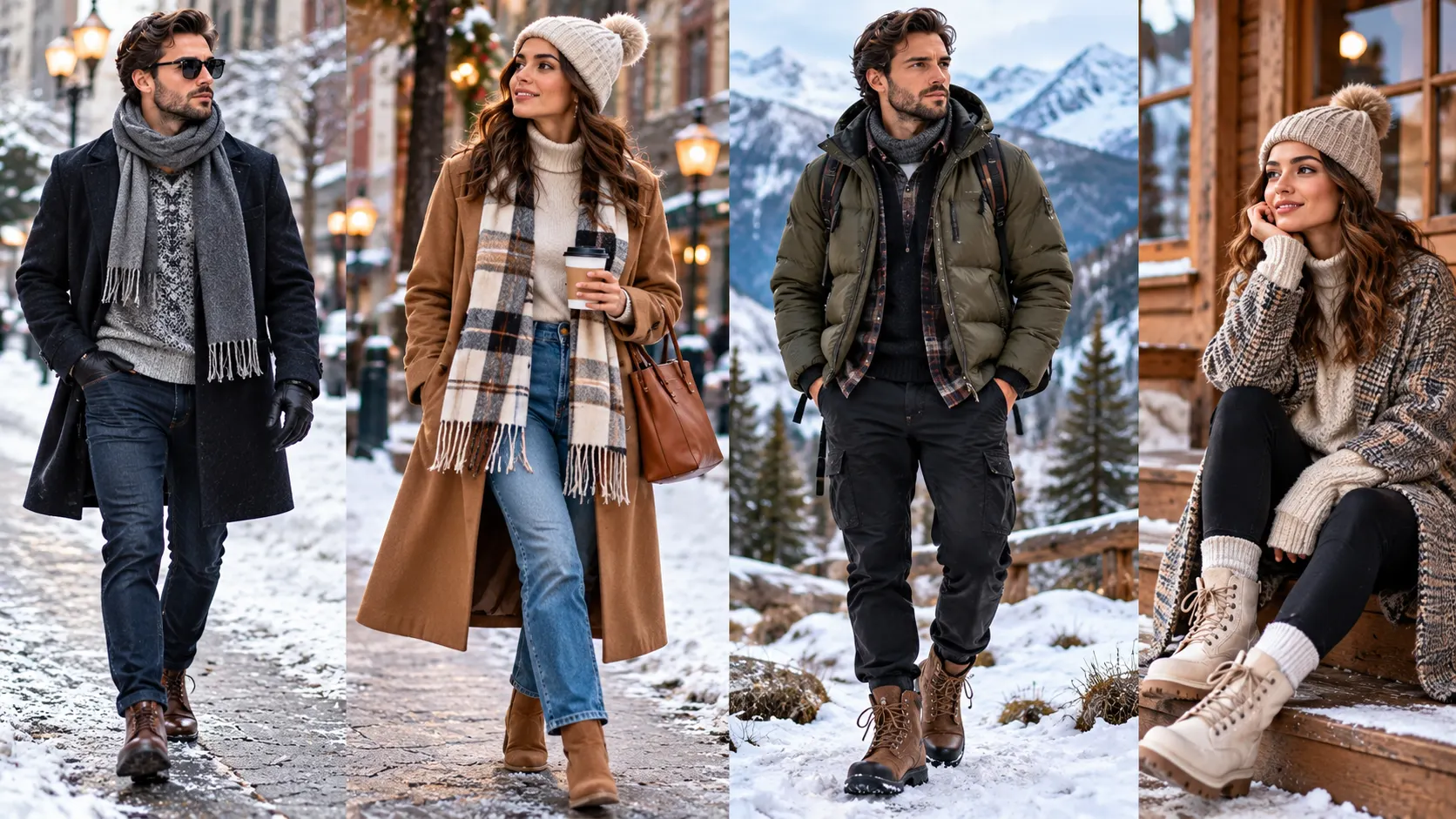
Cold Weather Layering: Ideas and Easy Styling Tips
Dressing for cold weather can feel challenging when temperatures drop and outdoor conditions become unpredictable. Wearing one heavy jacket may not always provide the flexibility needed for changing temperatures throughout the day. Cold weather layering offers a practical way to stay warm while creating comfortable and stylish winter outfits. By combining suitable clothing pieces, you can prepare for different winter activities without sacrificing personal style.
The secret to successful winter layering involves understanding how different garments work together. Base layers help manage moisture, middle layers provide insulation, and outer layers protect against wind and precipitation. Choosing suitable fabrics and comfortable fits makes these combinations more effective. Thoughtful layering also allows you to adjust your clothing when moving between heated indoor spaces and colder outdoor environments.
Whether you are going to work, attending classes, traveling, or enjoying outdoor activities, proper layering can improve everyday comfort. Simple wardrobe essentials such as thermal shirts, sweaters, cardigans, and winter coats provide numerous outfit possibilities. You do not need an expensive collection of winter clothing to build practical combinations. This guide explores easy layering techniques, winter outfit ideas, and common mistakes worth avoiding.
Why Cold Weather Layering Is Important During Winter
Cold weather layering helps regulate comfort by allowing you to adjust insulation according to surrounding conditions. Instead of depending on one bulky garment, several appropriate layers create a more flexible clothing system. Each layer serves a particular purpose, from managing moisture to retaining warmth. This approach is useful when temperatures change between morning, afternoon, and evening.
Layering also helps manage perspiration during physical activities. Even in winter, walking quickly or carrying heavy bags can generate body heat and moisture. If damp clothing remains against the skin, it can contribute to discomfort when activity slows. Wearing suitable fabrics and adjusting layers can help maintain more consistent comfort throughout the day.
Another advantage of winter layering is the ability to combine different clothing styles. Sweaters, jackets, scarves, and coats can create attractive outfits while providing practical warmth. Coordinating colors and textures makes individual pieces look intentional rather than randomly assembled. With a few versatile essentials, you can create winter outfits suitable for casual, professional, and outdoor settings.
Understanding the Three Essential Layers of Winter Clothing
The three-layer clothing system provides a useful foundation for dressing in cold conditions. The first layer sits closest to the skin and helps manage moisture. The second layer provides insulation by retaining warmth around the body. The outer layer protects against wind, rain, or snow depending on the weather.
Base layers are commonly made from merino wool, polyester, or other moisture-managing materials. These fabrics help move perspiration away from the skin during everyday activities. Middle layers may include fleece jackets, wool sweaters, or lightweight insulated garments. Their primary purpose is providing warmth without unnecessarily restricting movement.
Outer layers include winter coats, waterproof shells, and wind-resistant jackets. The appropriate choice depends on temperature, precipitation, and activity level. A waterproof shell may be useful during wet conditions, while an insulated coat provides additional warmth in colder environments. Understanding these functions helps you choose clothing more effectively instead of simply wearing more garments.
How to Choose the Right Base Layer for Cold Weather
A comfortable base layer is one of the most important components of effective winter clothing. It should fit close enough to manage moisture while allowing natural movement. Thermal shirts, lightweight leggings, and long-sleeved undershirts are common options. Selecting breathable materials helps maintain comfort during both indoor and outdoor activities.
Merino wool is popular for winter base layers because it provides insulation and manages moisture. Synthetic performance fabrics are also widely used because they can dry relatively quickly. Cotton may feel comfortable initially but often retains moisture when damp. For prolonged cold-weather activity, moisture-managing materials are generally more suitable.
The thickness of your base layer should match the expected temperature and activity level. Lightweight thermals may work well for commuting or mild winter days. Heavier options can provide additional insulation during colder conditions. Avoid wearing excessively tight layers that restrict movement or interfere with comfortable circulation.
Best Middle Layers for Warm and Comfortable Winter Outfits
Middle layers help retain warmth between the base layer and outer clothing. Sweaters, fleece jackets, cardigans, and insulated vests are common choices for this purpose. The ideal middle layer provides useful insulation without making the entire outfit uncomfortable. Choosing a suitable thickness helps create balanced winter clothing combinations.
Fleece is a practical option because it is lightweight and provides warmth. Wool sweaters offer another versatile choice, particularly for everyday and smart-casual outfits. Lightweight insulated jackets can also function as middle layers beneath protective outer shells. These garments are especially useful when additional warmth is needed without excessive bulk.
Middle layers should be easy to remove when temperatures increase. A zip-up fleece or cardigan provides convenient adjustment throughout the day. Pullover sweaters work well when indoor and outdoor temperatures remain relatively consistent. Selecting adaptable pieces helps make winter dressing more comfortable and simplifies outfit planning.
Choosing the Best Outer Layer for Winter Protection
The outer layer protects your clothing system from environmental conditions such as wind, rain, and snow. Winter coats, insulated jackets, and weatherproof shells are popular choices. A suitable outer garment should provide enough room for underlying layers. Comfortable movement remains important, especially during commuting or outdoor activities.
Puffer jackets are widely used because their insulated construction can provide substantial warmth. Wool coats offer a more structured appearance and are suitable for many professional or casual settings. Waterproof jackets are particularly useful when winter weather includes frequent rain or wet snow. Each style offers different advantages depending on the surrounding conditions.
Consider jacket length, insulation, closures, and hood design before selecting winter outerwear. Longer coats provide additional coverage, while shorter jackets may offer greater mobility. Adjustable cuffs and reliable zippers can help reduce unwanted exposure to cold air. Choosing practical features ensures the outer layer supports both comfort and everyday activities.
Casual Cold Weather Layering Ideas for Everyday Outfits
Casual winter outfits should provide comfortable warmth without requiring complicated styling. Start with a thermal shirt and add a relaxed sweater or fleece. Pair these pieces with comfortable jeans or suitable trousers. A puffer jacket and supportive winter boots complete an outfit designed for everyday errands and informal activities.
For a slightly more polished casual appearance, combine a lightweight turtleneck with a cardigan and structured coat. Straight-leg trousers or dark jeans create a balanced silhouette. Neutral boots and a simple scarf can bring the outfit together. This combination works well for shopping, casual meetings, and relaxed weekend plans.
Athleisure-inspired winter clothing provides another comfortable option. Thermal leggings or suitable joggers can be paired with a breathable top and fleece jacket. Add a weather-appropriate coat when heading outdoors. Comfortable footwear with appropriate grip completes the outfit while supporting movement during everyday activities.
Winter Layering Ideas With Sweaters and Cardigans
Sweaters are versatile clothing pieces that provide warmth while supporting different winter styles. A lightweight crewneck sweater can be worn over a simple shirt for a classic layered appearance. Pair the combination with tailored trousers or casual jeans. A suitable coat provides additional protection when outdoor temperatures fall.
Cardigans offer flexibility because they are easy to open or remove. A button-front cardigan layered over a fitted thermal top creates a comfortable everyday outfit. Longer cardigans can also work with dresses, skirts, or relaxed trousers. Choosing complementary colors helps the combination look coordinated rather than overly complicated.
Texture can make sweater layering visually interesting without relying on bold patterns. Combining fine-knit garments with structured coats or smooth trousers creates subtle contrast. Avoid wearing several thick knitwear pieces together if they restrict movement. Balanced fabric weights help maintain a comfortable fit while preserving the outfit’s overall appearance.
How to Layer Hoodies and Jackets During Cold Weather
Hoodies are popular winter essentials because they combine casual styling with comfortable warmth. A hoodie can function as a middle layer beneath a roomy jacket or coat. Pairing it with jeans and winter sneakers creates a relaxed outfit. Choose suitable fabrics and insulation depending on the temperature rather than relying on appearance alone.
For a streetwear-inspired look, combine a neutral hoodie with a puffer jacket. Relaxed trousers and comfortable boots can complete the outfit without unnecessary accessories. Keeping the color palette simple helps maintain visual balance. This combination is particularly convenient for casual outings, commuting, and everyday winter routines.
Layering a hoodie beneath a jacket requires attention to fit and fabric thickness. A bulky hoodie may feel restrictive under a narrow coat. Selecting a comfortable jacket with enough shoulder and sleeve room improves movement. If the hoodie and jacket both have hoods, arrange them comfortably to avoid unnecessary bunching.
Cold Weather Layering Ideas for Men
Men’s winter layering can combine simple wardrobe essentials with practical insulation. A thermal undershirt, flannel shirt, and insulated jacket create a versatile everyday combination. Dark jeans or chinos provide suitable options depending on the occasion. Comfortable boots can complete the outfit while offering protection during colder conditions.
For a smart-casual appearance, consider layering a fine-knit sweater over a collared shirt. A wool coat or structured winter jacket provides additional warmth. Pair these pieces with tailored trousers and suitable leather or weather-resistant footwear. Neutral colors such as navy, charcoal, and brown create easy combinations.
Casual winter outfits can also feature hoodies, fleece jackets, and puffer coats. Combining different textures adds variety while maintaining a relaxed appearance. Avoid unnecessarily oversized layers that interfere with movement. Selecting comfortable, well-coordinated pieces helps create winter outfits that are suitable for different daily activities.
Cold Weather Layering Ideas for Women
Women’s winter layering offers numerous combinations involving knitwear, dresses, trousers, and outerwear. A thermal top paired with a comfortable sweater and long coat creates a versatile everyday outfit. Straight-leg trousers and ankle boots can complete the combination. Choosing suitable insulation helps maintain comfort during colder temperatures.
Dresses can also work in winter when paired with appropriate layers. A sweater dress with warm tights and knee-high boots creates a coordinated outfit. Add a long coat and scarf when heading outdoors. Selecting comfortable materials and suitable footwear makes this combination practical for different occasions.
For casual activities, combine a fitted thermal top with an oversized cardigan and relaxed trousers. A weather-appropriate puffer jacket can provide additional insulation. Simple accessories such as a scarf or knitted hat complete the look. These combinations allow personal styling choices while keeping comfort and practicality important.
Office and Professional Winter Layering Outfits
Professional winter clothing should provide warmth while maintaining a polished appearance. A lightweight thermal shirt beneath a button-down shirt creates a practical foundation. Add a fine-knit sweater or structured blazer depending on workplace expectations. Tailored trousers and appropriate winter footwear complete the outfit.
Wool coats are popular for professional winter outfits because of their structured appearance. Neutral colors such as black, charcoal, camel, and navy coordinate easily with office clothing. A simple scarf can provide additional warmth during commuting. Choose a coat that fits comfortably over formal layers without restricting movement.
Indoor heating can make heavy winter clothing uncomfortable during the working day. Removable cardigans, lightweight sweaters, and breathable base layers provide greater flexibility. Keeping a comfortable pair of workplace-appropriate shoes may also be useful after a wet or snowy commute. This approach helps maintain comfort across different environments.
Cold Weather Layering Tips for College and School
Students often move between outdoor conditions and heated classrooms throughout the day. A thermal shirt, comfortable sweatshirt, and winter jacket create a flexible clothing combination. Jeans or suitable trousers provide everyday practicality. Comfortable footwear is particularly important when walking across campus or traveling between buildings.
Backpacks and school bags can affect how layered clothing feels. Bulky jackets may become uncomfortable beneath heavy shoulder straps. Choosing lightweight insulating pieces can help reduce unnecessary bulk. A jacket with a secure hood and practical pockets also provides convenience during unpredictable weather.
Students can simplify winter outfit planning by choosing versatile colors and easy-to-coordinate essentials. Neutral hoodies, sweaters, and coats can be worn in different combinations throughout the week. Hats and gloves provide additional warmth when temperatures drop. A small collection of practical pieces can support comfortable daily routines.
How to Layer Clothes for Extremely Cold Weather
Extremely cold conditions require more careful preparation than ordinary winter temperatures. A moisture-managing base layer, suitable insulation, and protective outerwear provide a useful foundation. Additional layers may be necessary depending on wind, precipitation, and exposure duration. Clothing should remain comfortable without restricting circulation or essential movement.
Hands, feet, ears, and other exposed areas also need attention during severe cold. Insulated gloves, warm socks, hats, and protective footwear provide important coverage. Waterproof outer materials may be necessary when snow or freezing rain is present. Keeping clothing dry is especially important during prolonged outdoor activities.
Layering requirements also change with activity level. Someone standing outdoors may need more insulation than a person walking continuously. Adjustable layers allow you to respond when physical movement generates additional warmth. During severe weather, follow local safety guidance and limit unnecessary exposure when conditions become hazardous.
Best Fabrics for Effective Cold Weather Layering
Fabric choice influences how effectively clothing manages warmth and moisture. Merino wool, fleece, and suitable synthetic materials are frequently used in winter clothing systems. These fabrics offer different combinations of insulation, comfort, and drying performance. Understanding their characteristics helps you select appropriate layers for changing weather conditions.
Wool provides insulation and can remain useful when conditions become damp. Polyester fleece offers lightweight warmth and is commonly used as a middle layer. Synthetic insulation is another option for jackets designed to retain warmth. The effectiveness of each material also depends on garment construction, thickness, and intended use.
Cotton is comfortable for many indoor activities but may be less suitable for prolonged outdoor exposure when moisture is expected. Once wet, cotton can remain damp and contribute to discomfort in cold conditions. Breathable moisture-managing materials are often preferable for active winter routines. Choose fabrics according to actual weather demands rather than fashion trends alone.
How to Combine Winter Colors and Textures
Color coordination makes layered winter outfits look more intentional. Neutral shades such as black, cream, gray, navy, and camel are easy to combine. A beige coat over a charcoal sweater creates a classic appearance. Pairing these colors with simple trousers and boots keeps the outfit balanced.
Earth tones are another useful option for winter wardrobes. Olive green, chocolate brown, rust, and warm beige create combinations that feel relaxed and versatile. Mixing complementary shades allows you to develop several outfits from a small selection of garments. Accessories can introduce additional color without overwhelming the overall appearance.
Texture also contributes to attractive winter styling. Pairing a chunky sweater with smooth trousers creates contrast between different materials. A structured wool coat can complement soft knitwear, while leather accessories add another visual element. Avoid combining too many bulky textures when they interfere with comfort or movement.
Winter Accessories That Make Layering More Effective
Accessories provide additional warmth and can complete a winter outfit. Scarves, hats, gloves, and warm socks are particularly useful during cold conditions. These items offer adjustable protection without requiring another full clothing layer. Choosing coordinated accessories can also improve the appearance of simple winter combinations.
Scarves are available in wool, fleece, synthetic blends, and other materials. A comfortable scarf can provide additional coverage around the neck and upper chest. Knitted hats help protect the head and ears during outdoor activities. Gloves should provide suitable warmth while allowing the movement required for everyday tasks.
Footwear accessories deserve equal attention during winter. Warm socks can improve comfort inside properly fitted boots. Moisture-managing materials may be useful during longer walks or outdoor activities. Avoid wearing excessively thick socks that make footwear tight, as comfortable fit remains important for warmth and circulation.
Common Cold Weather Layering Mistakes to Avoid
One common mistake is wearing too many thick garments without considering breathability or movement. Excessive layers can cause overheating during physical activity and make clothing uncomfortable. Instead, choose garments that serve clear purposes within the layering system. Adjusting clothing according to temperature and activity level is often more effective than simply adding bulk.
Another mistake involves relying on unsuitable fabrics during damp or snowy conditions. Cotton clothing may absorb moisture and remain wet when worn for prolonged periods outdoors. An ordinary fashion coat may also provide inadequate protection against strong wind or rain. Matching clothing performance to expected weather conditions helps prevent avoidable discomfort.
Ignoring footwear and accessories can undermine an otherwise practical winter outfit. Thin socks, unsuitable shoes, or missing gloves may leave important areas exposed to cold. Consider the entire outfit rather than concentrating only on jackets and sweaters. A complete clothing system provides better comfort during winter activities.
How to Build a Practical Cold Weather Capsule Wardrobe
A cold weather capsule wardrobe consists of versatile layers that work together in different combinations. Start with comfortable base layers, a few sweaters, suitable trousers, and dependable outerwear. Choose garments that match your local winter conditions and daily activities. Neutral colors can simplify coordination and reduce the need for unnecessary purchases.
Versatile middle layers are especially useful because they can be worn across multiple outfits. A lightweight fleece works well for casual activities, while a fine-knit sweater suits more polished settings. One dependable winter coat can complement several clothing combinations. Choosing adaptable pieces helps create a practical wardrobe without excessive complexity.
Proper maintenance helps winter clothing remain functional across different seasons. Follow washing instructions for wool, fleece, waterproof jackets, and insulated garments. Store clean clothing in suitable conditions when the season ends. Taking care of useful wardrobe essentials can extend their lifespan and support more thoughtful spending.
Conclusion
Cold weather layering provides a flexible approach to staying comfortable during winter. Combining appropriate base layers, insulating middle layers, and protective outerwear helps manage changing conditions. Understanding how each garment contributes to warmth makes outfit planning easier. Thoughtful clothing choices can support everyday activities without sacrificing personal style.
Successful winter outfits depend on balancing insulation, breathability, fit, and practicality. Sweaters, cardigans, jackets, and comfortable accessories offer numerous styling possibilities. Whether dressing for work, school, travel, or casual activities, adjustable layers provide useful flexibility. Choosing coordinated pieces also helps create attractive combinations with less effort.
Building a practical winter wardrobe does not require purchasing every seasonal fashion trend. Focus on dependable essentials, suitable fabrics, and clothing that works with your lifestyle. With a few thoughtful combinations, cold weather layering becomes a simple way to maintain warmth, comfort, and personal style throughout winter.
Frequently Asked Questions (FAQs)
What Is the Best Way to Layer Clothes for Cold Weather?
Start with a moisture-managing base layer, add an insulating middle layer, and finish with protective outerwear. Adjust the thickness and number of layers according to temperature, activity, and weather conditions.
How Many Layers Should I Wear During Winter?
Three functional layers provide a useful starting point for many winter conditions. However, the appropriate number depends on temperature, wind, physical activity, and the insulation provided by individual garments.
Which Fabrics Are Best for Winter Layering?
Merino wool, fleece, and suitable synthetic materials are commonly used because they provide insulation or help manage moisture. Choose fabrics based on comfort, drying performance, activity level, and expected weather.
Can I Layer Clothes Without Looking Bulky?
Yes, combining lightweight base layers, fitted knitwear, and appropriately sized outerwear can create comfortable outfits without excessive bulk. Coordinated colors and balanced proportions also help achieve a polished appearance.
What Is the Difference Between a Base Layer and a Middle Layer?
A base layer sits against the skin and primarily manages moisture. A middle layer provides insulation by retaining warmth, helping maintain comfort beneath a protective outer jacket or coat.



[…] Cold Weather Layering: Ideas and Easy Styling Tips […]